In heavy-duty trucking—long-haul mileage, high payloads, frequent stop-and-go, and rough road inputs—powertrain stability and NVH (noise, vibration, and harshness) directly impact uptime and total maintenance cost. The engine mount is a critical rubber-metal component that connects the engine to the chassis/subframe. It must support weight and torque while isolating vibration across multiple frequency ranges.
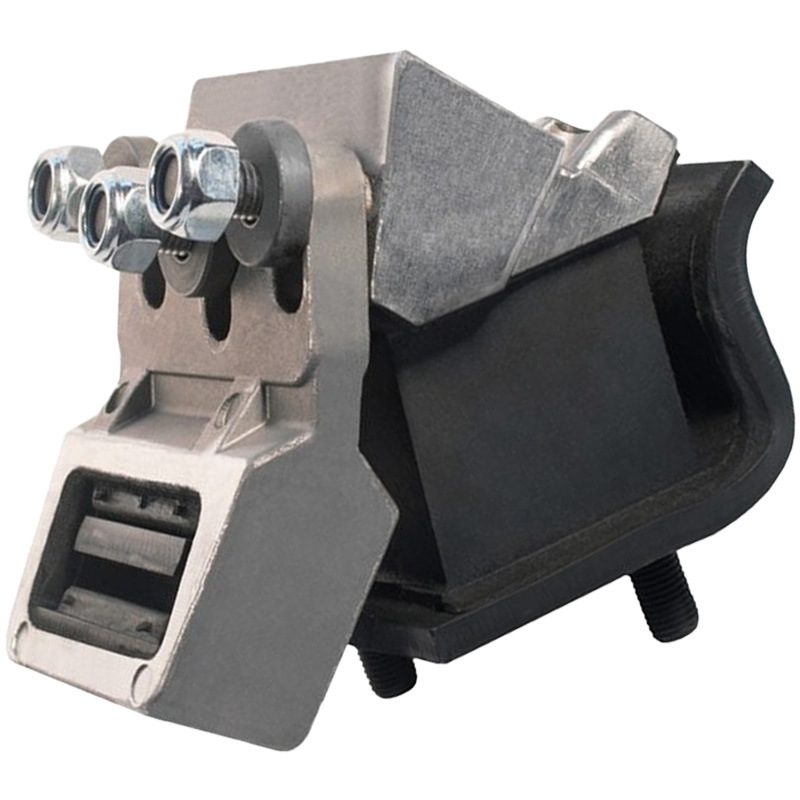
This in-depth guide focuses on the Mercedes truck engine mount with OEM 3002400117, including its cross reference OE numbers and typical applications (MK, NG, O 303, OH Series). It’s written for B2B buyers, including parts distributors, repair chains, and fleet maintenance managers, and it highlights Hebei Huami New Material Technology Co., Ltd.’s manufacturing and quality strengths in Mercedes-Benz engine mount solutions.
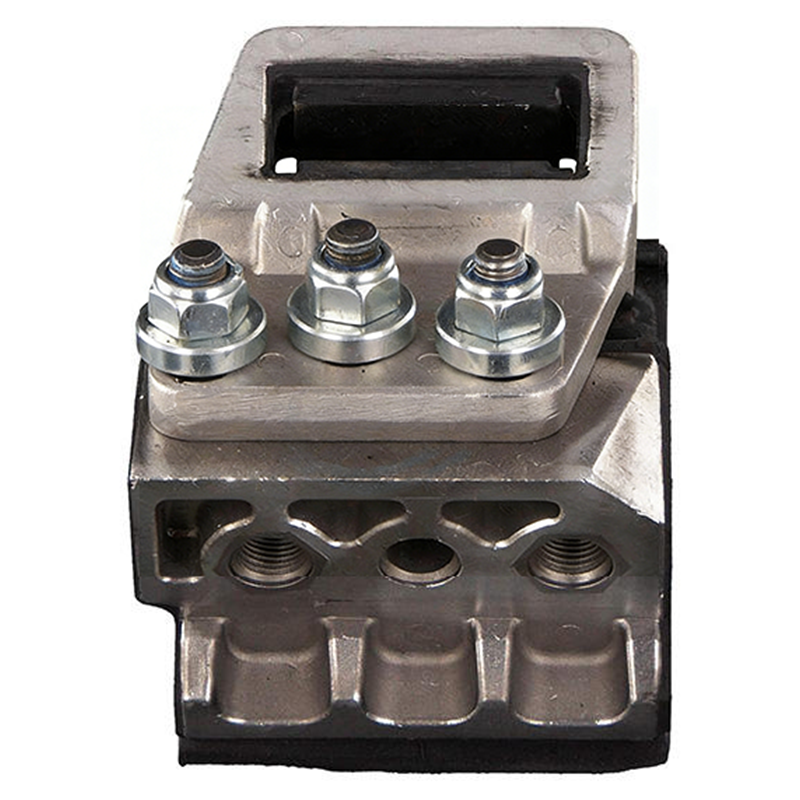
1. What a Mercedes Truck Engine Mount Does
1.1 Supports engine weight and maintains powertrain alignment
A truck engine and its related assemblies (gearbox housing, brackets, accessories, etc.) are heavy and produce large inertial forces. The rubber-metal engine mount provides structural support through its metal bracket/core, keeping the engine positioned within designed tolerances. Stable alignment helps protect:
In short: a healthy mount reduces misalignment risks and secondary wear.
1.2 Absorbs vibration and road shocks
Engine vibration varies with operating states—idle, low-RPM high torque, and cruising RPM. Heavy trucks also experience strong road shocks from uneven pavement, ramps, and jobsite roads. The mount’s rubber elastomer works via elastic deformation + damping energy dissipation, reducing vibration transfer from engine to chassis and cab.
1.3 Improves NVH and protects drivetrain components
When an engine mount deteriorates, vibration transmission increases and may amplify structure-borne noise. Symptoms often include steering wheel/pedal vibration, rising cabin noise, and harsher shift feel. Long-term vibration exposure can accelerate fatigue in:
A well-designed Mercedes truck engine mount improves NVH and reduces the chance of cascading failures.
1.4 Critical for heavy-load, high-mileage duty cycles
Fleet vehicles run high mileage with continuous load cycles—heavy payload climbs, repeated shifting, extended idling, and frequent start-stop events. Engine mounts are under combined compression and shear loading for long periods. Therefore, durability depends heavily on:
rubber fatigue resistance
heat and oil resistance
rubber-to-metal bond strength
consistent mass production quality
Choosing a heavy-duty mount with stable consistency reduces downtime and repeat repairs.
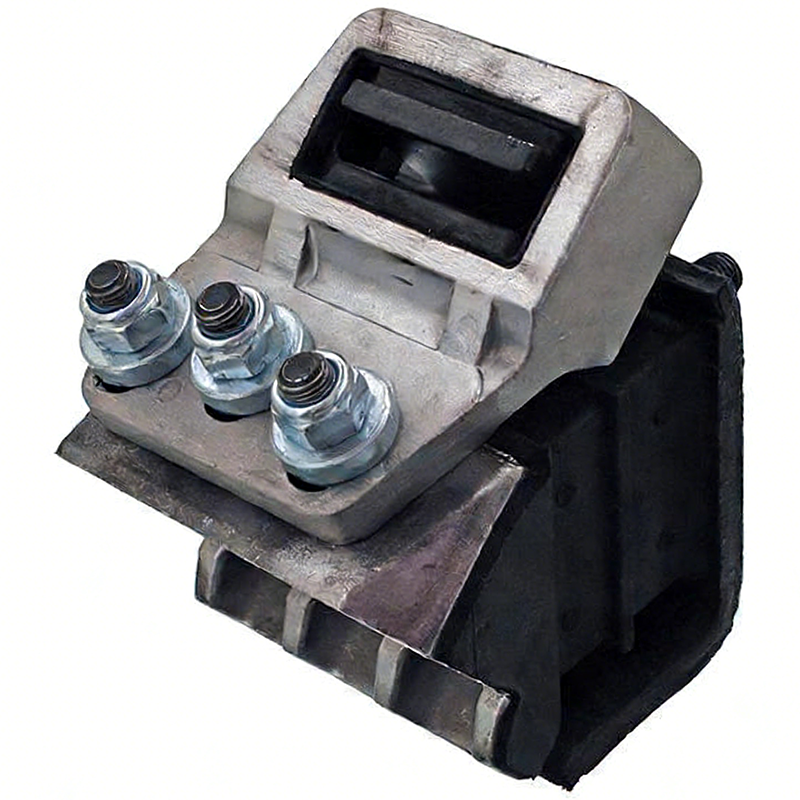
2. OEM 3002400117 Overview (Applications + Cross References)
2.1 Designed for Mercedes-Benz truck engine mounting systems
OEM 3002400117 refers to an engine mounting / suspension component used in Mercedes-Benz truck powertrain systems (exact fitment depends on vehicle platform and configuration). For accurate procurement, it’s best to provide the truck series, model year, engine type, or photos/dimensions of the existing mount.
2.2 Typical vehicle applications (as provided)
Common application references (final confirmation required by catalog and vehicle configuration):
TRUCK / MERCEDES-BENZ / MK _
TRUCK / MERCEDES-BENZ / NG _
TRUCK / MERCEDES-BENZ / O 303
TRUCK / MERCEDES-BENZ / OH SERIES
Note: Variations can exist by year, engine, and mounting position. Always verify by OE number + structure + dimensions.
2.3 Common installation positions (varies by model)
Engine mounts may be installed as:
Front engine mount: supports front weight and controls longitudinal movement
Rear mount / powertrain mount: works with transmission support to stabilize powertrain posture
Left/right side mounts: reduces lateral movement and torsional roll
Many heavy trucks use multi-point mounting systems; confirm the exact position before ordering.
2.4 Cross reference / alternative OE numbers
The following cross references (customer-provided) are commonly used for inquiry and compatibility checks (final confirmation required):
3002400117
3002400217
3012403017
3012403517
3832401017
3832401517
6172400017
6172400117
3. Structure and Material Engineering (Core to NVH + Service Life)
3.1 Construction: metal bracket + rubber damping body
A rubber-metal engine mount typically includes:
Metal components (bracket, sleeve, plates): carry structural loads and ensure mounting accuracy
Rubber elastomer (damping body): provides elasticity and damping to control vibration transfer
The performance relies heavily on bonding integrity, because separation between rubber and metal leads to rapid failure.
3.2 Rubber material options: NR / NBR / EPDM (matched to duty conditions)
Hebei Huami can select or formulate elastomers based on operating conditions:
NR (Natural Rubber): strong resilience and fatigue resistance for repeated load cycles and shock
NBR (Nitrile Rubber): superior oil resistance for areas exposed to oil contamination
EPDM: excellent weathering and aging resistance for harsh temperature swings and environment
Material selection should consider heat exposure, oil contact, load spectra, and target lifetime.
3.3 Shore A hardness + key durability targets
Hardness (Shore A): 55–80 (customizable for isolation vs. stiffness balance)
Heat resistance: focus on hardness retention + compression set after thermal aging
Oil resistance: focus on volume change + strength retention + bond stability
Fatigue resistance: focus on crack growth under repeated shear/compression cycles
3.4 Why high-damping rubber matters for engine vibration control
High-damping formulations dissipate vibration energy efficiently in target frequency bands, helping reduce idle shake and resonance peaks. For fleets, the best solution is not simply “softer” rubber—it’s the right balance between:
3.5 Metal corrosion protection + vulcanized bonding process
Anti-corrosion treatment: coating/plating options to meet salt-spray or harsh environment requirements
Bonding process: surface preparation + bonding system + controlled vulcanization window to ensure stable rubber-metal adhesion under thermal cycling and heavy loads
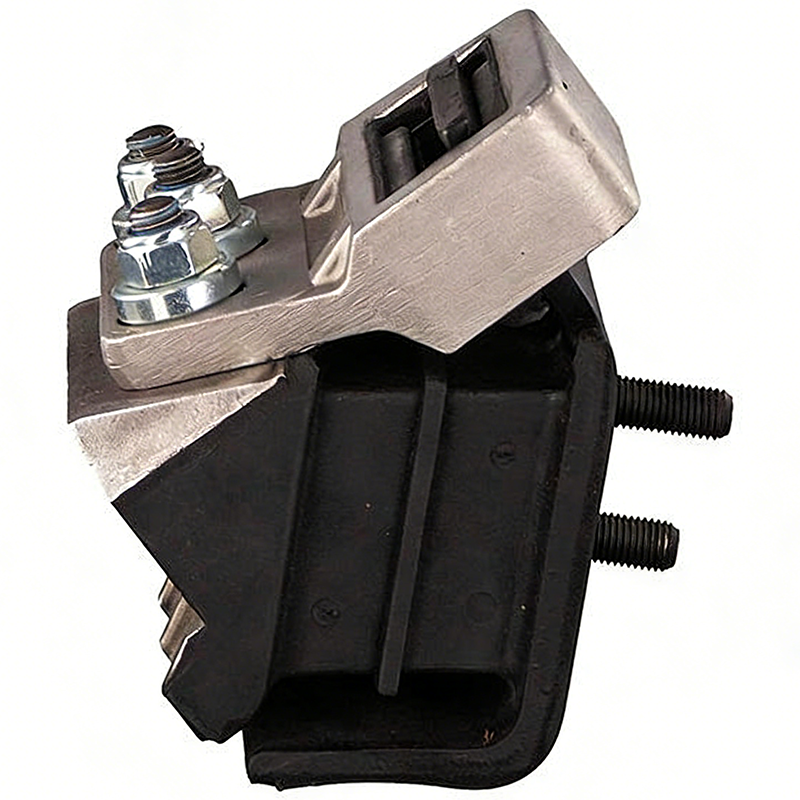
4. Common Failure Modes and Symptoms (High Search Intent)
The items below match frequent online queries for truck engine mount replacement:
4.1 Excessive vibration at idle or during acceleration
If the steering wheel, pedals, or cab vibrate more than usual—especially at idle—rubber aging/hardening or internal cracking may be reducing isolation performance.
4.2 Stronger “shift shock” or harsh engagement feel
A worn mount can increase driveline movement, making shift events feel harsher, particularly under load.
4.3 Engine sag, misalignment, or abnormal noise
Mount collapse can lower the engine position, reducing clearance and potentially causing interference. Clunks or knocks over bumps can also appear as the powertrain moves beyond normal limits.
4.4 Rubber cracking, tearing, or debonding
Visible cracks, bulging, tearing, or separation at the rubber-metal interface indicate the mount is near end-of-life.
4.5 Quick checks to confirm replacement need
Visual inspection for cracks, sagging, separation, corrosion
Operational check: idle vibration, acceleration resonance, shift shock, clunking
Clearance check: signs of interference or reduced gaps
Comparative check: left vs. right height/deflection differences
If multiple symptoms appear, schedule truck engine mount replacement early to prevent secondary damage.
5. Installation and Maintenance Guidelines
5.1 Safety support and preparation
Use proper lifting equipment and secure the truck
Support the engine safely before removing any mount fasteners
Photograph orientation, spacers, and fastener locations to avoid installation errors
5.2 Key removal/installation steps (general workflow)
Relieve mount load by supporting the engine at a correct height
Remove fasteners in sequence
Clean mounting surfaces and inspect holes/threads
Install new mount with correct orientation
Pre-tighten → set to normal load posture → final torque
5.3 Bolt torque requirements (placeholder)
Under-torque can cause noise/loosening; over-torque may distort metal parts or create abnormal rubber preload.
5.4 Post-install inspection and road test
Confirm improvement at idle and no interference noise
Test drive: start/stop, acceleration, deceleration, shifting, bump inputs
Recheck fasteners after short mileage if required by your workshop standard
5.5 Maintenance tips to extend mount life
Fix oil leaks early to reduce rubber exposure
Avoid chronic overloading and harsh shock inputs when possible
Inspect the full mounting system (engine + transmission mounts), not only one point
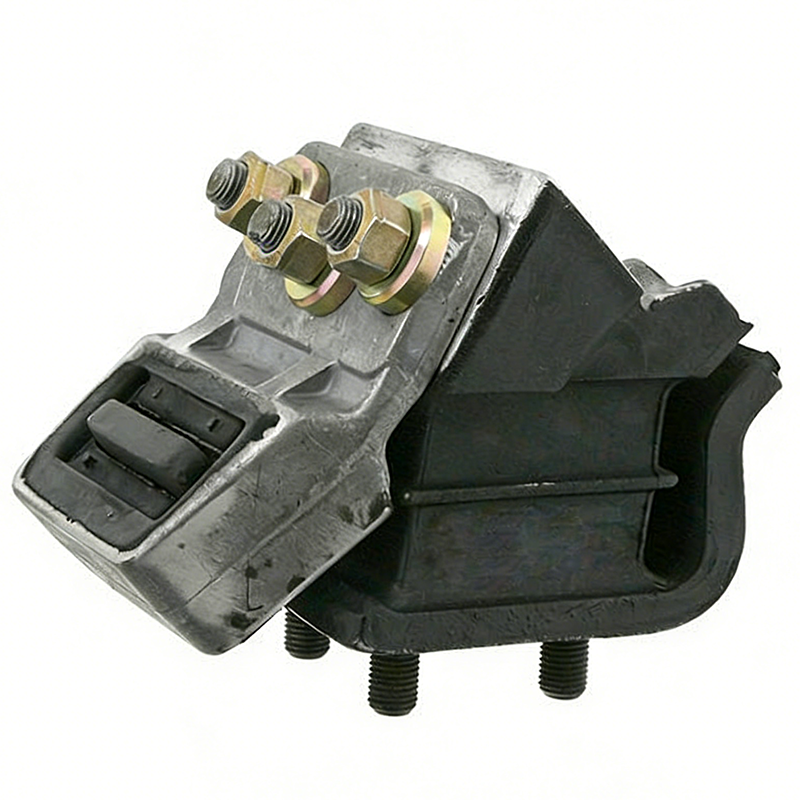
6. Why Hebei Huami New Material Is a Strong B2B Supplier
Hebei Huami New Material Technology Co., Ltd. focuses on rubber products and rubber-metal bonded components for demanding industries. For Mercedes-Benz engine mount projects and aftermarket supply, the company emphasizes durability engineering, production consistency, and verification testing.
6.1 30 years of rubber and rubber-metal manufacturing experience
30+ years manufacturing experience in rubber and rubber-metal parts
Applications across automotive, heavy-duty trucks, construction machinery, high-speed rail, and aerospace—supporting complex duty conditions
6.2 Management systems and trade compliance advantages
IATF16949 quality management capability
TÜV certification support
AEO Advanced Certification for efficient customs processes and stable export supply
6.3 In-house rubber formulation and heavy-duty durability design
In-house formulation to target high damping, long life, and reinforced heavy-load mounts
Custom engineering based on heat/oil exposure, load profiles, NVH targets, and required service life
6.4 Precision tooling and scalable production for high consistency
6.5 Full-process testing and validation
Routine checks: hardness, tensile, tear, compression set, bond strength
Validation: oil resistance, heat aging, salt spray, thermal cycling, fatigue life tests
Supports OEM/ODM, low MOQ customization, stable lead times
7. Specification & Parameter Table (with OE and Applications)
Note: Dimensions/torque/packaging can be finalized after confirming drawing or sample.
| Item | Specification / Notes |
| Product | Mercedes-Benz Truck Engine Mount (Rubber-Metal) |
| Primary OE No. | 3002400117 |
| Cross References | 3002400217 / 3012403017 / 3012403517 / 3832401017 / 3832401517 / 6172400017 / 6172400117 |
| Applications | TRUCK/MERCEDESBENZ/MK _; TRUCK/MERCEDESBENZ/NG _; TRUCK/MERCEDESBENZ/O 303; TRUCK/MERCEDESBENZ/OH SERIES |
| Installation Position | Front / Rear / Left / Right (verify by model) |
| Rubber Material | NR / NBR / EPDM (customizable) |
| Metal Process | Stamping/welding/machining + anti-corrosion coating/plating |
| Bonding | Surface treatment + vulcanized rubber-metal bonding |
| Bolt Torque | Placeholder: per Mercedes service manual |
| Packaging | Placeholder: individual / carton / pallet |
| MOQ | Placeholder: ___ pcs (low MOQ supported) |
| Origin | China - Hebei |
8. FAQ (8 Q&As)
Q1: What are the cross reference OE numbers for 3002400117?
A: Common cross references include 3002400117, 3002400217, 3012403017, 3012403517, 3832401017, 3832401517, 6172400017, 6172400117. Always verify by vehicle configuration, mount position, and dimensions.
Q2: Which Mercedes-Benz truck series does this engine mount fit?
A: Typical applications include TRUCK/MERCEDESBENZ/MK _, NG _, O 303, and OH SERIES, subject to model/year/engine confirmation.
Q3: What are typical symptoms of a worn engine mount?
A: Excessive idle vibration, stronger vibration during acceleration, increased shift shock, clunking noises, and visible rubber cracking, sagging, or debonding.
Q4: Is it necessary to replace engine mounts in pairs?
A: In heavy-duty service, mounts often age together. Many workshops recommend inspecting all mounts (engine + transmission) and replacing in sets when wear is similar to reduce repeat labor.
Q5: Which rubber material should I choose (NR/NBR/EPDM)?
A: NR offers excellent fatigue resistance, NBR improves oil resistance, and EPDM enhances aging/weather resistance. Selection depends on heat, oil exposure, load, and target lifetime.
Q6: Why is vibration still present after truck engine mount replacement?
A: Possible causes include other worn mounts, incorrect torque or tightening posture, interference with nearby parts, or engine idle issues. Inspect the full mounting system.
Q7: How can I extend the service life of a Mercedes truck engine mount?
A: Fix oil leaks quickly, avoid repeated shock loading when possible, and perform routine inspections for cracks, sagging, and bond separation.
Q8: Do you support OEM/ODM and low MOQ orders?
A: Yes. Hebei Huami supports OEM/ODM and low MOQ customization based on drawings/samples, with material/hardness tuning and stable lead times.


